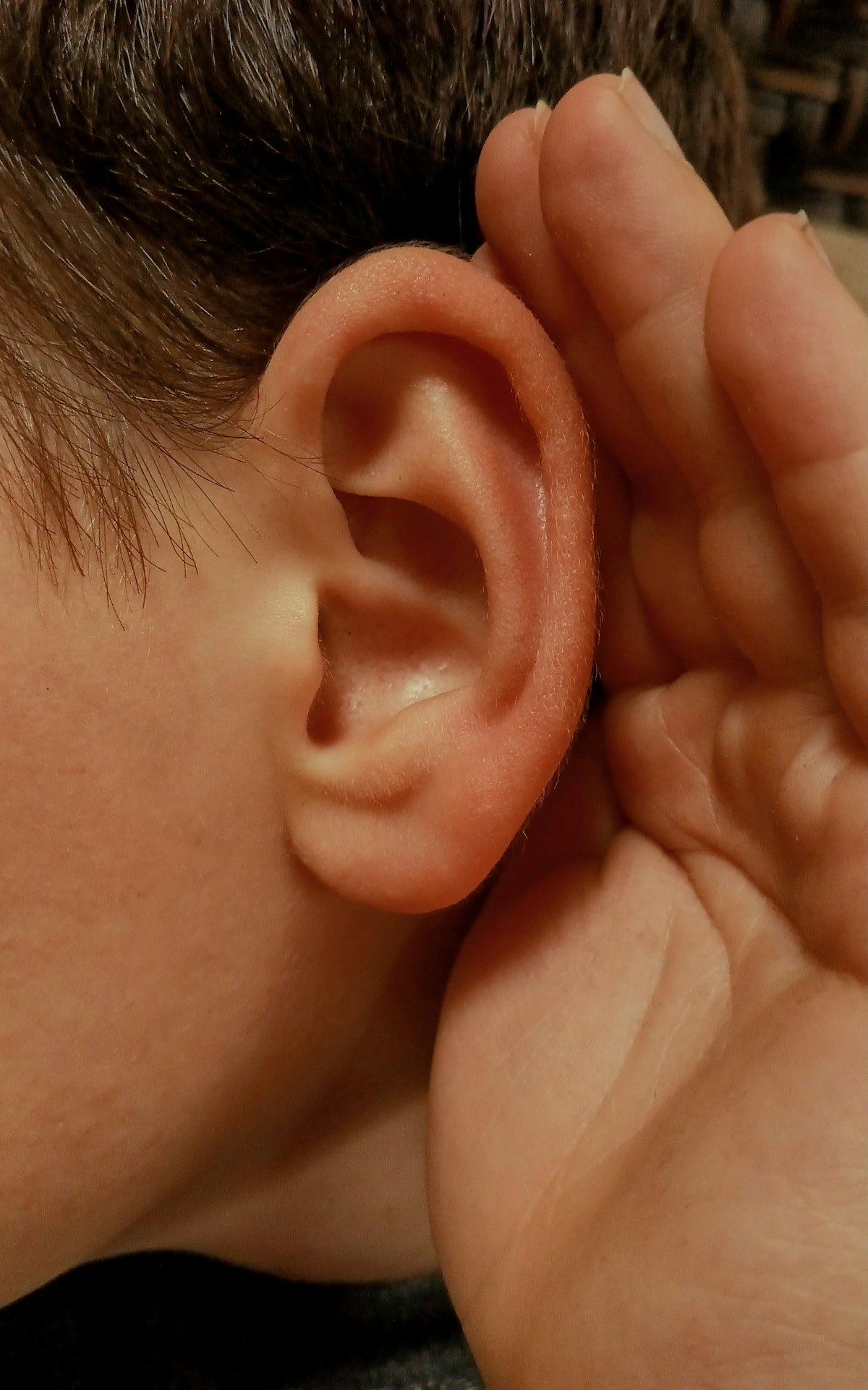

How We Can Help
- Reduce tinnitus intensity
- Improve sleep quality
- Manage associated symptoms
- Personalized coping strategies
When Your Jaw, Your Headaches, and Your Ears Speak the Same Language
Most patients arrive at our clinic exhausted. They’ve been treated as if they are a collection of separate parts: a mouth to be splinted, a head to be medicated, or an ear to be checked.
But your body doesn't live in silos.
If you are dealing with a tight jaw, chronic headaches, and a persistent buzz or ring in your ears, you don’t have three separate diseases. You have one deeply interconnected system that is overwhelmed.
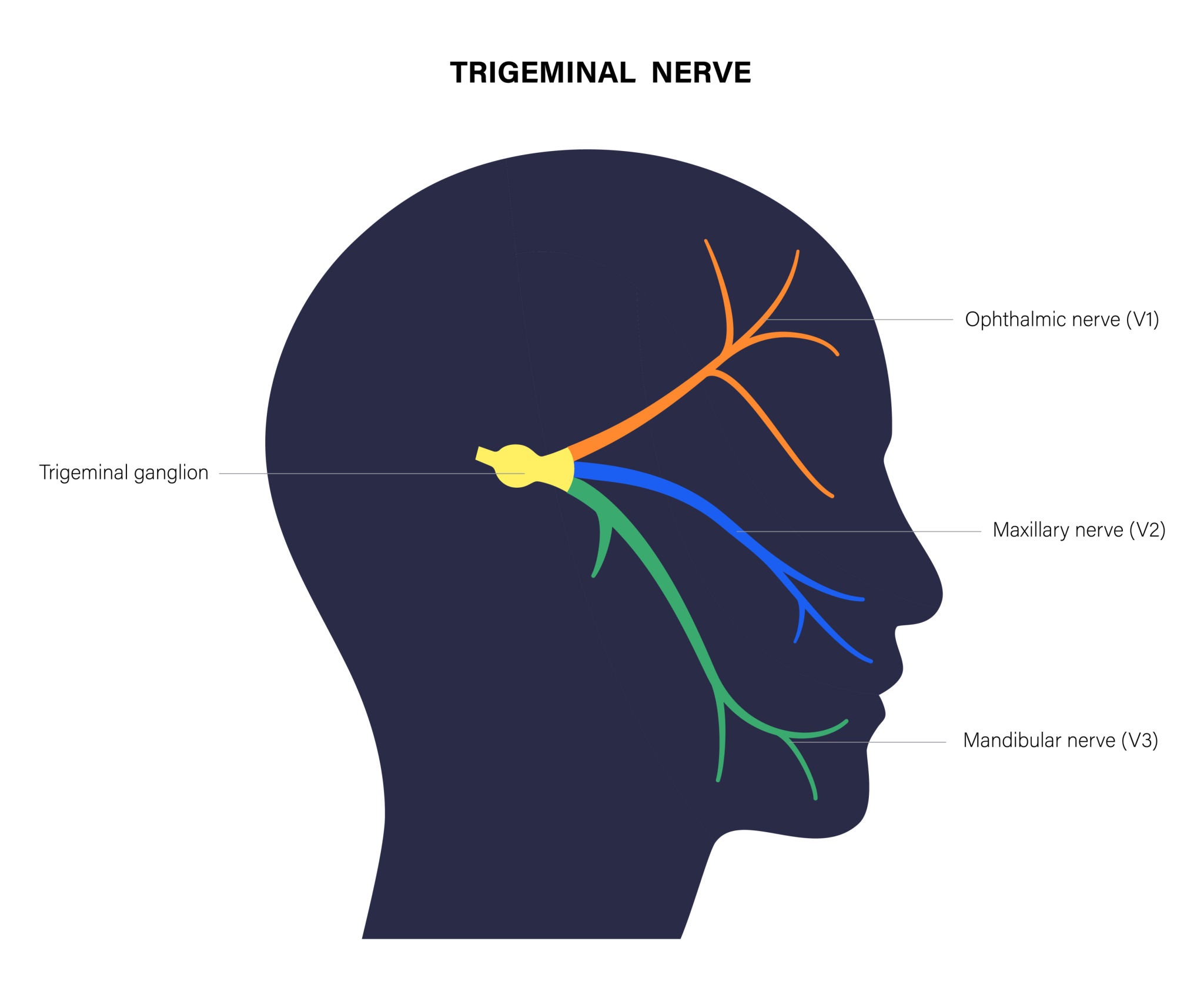
Connecting the Dots
As you can see in the anatomy diagram above, the neural pathways governing your jaw, your face, and your head are intimately linked through the trigeminal nerve. Furthermore, the muscles controlling your jaw sit just millimeters away from the delicate structures of your inner ear.
When your jaw joint (TMJ) becomes misaligned or inflamed, it acts like a loud, disruptive neighbor. The distress signals overflow into neighboring pathways, triggering tension headaches and phantom sounds like tinnitus.
Because these symptoms constantly influence and feed into one another, a rigid, cookie-cutter treatment plan will always fall short. You can't fix a dynamic problem with a static protocol.
Treatment Approach
We refuse to force your unique body into a pre-packaged, rigid treatment track. Instead, during every single clinic visit, we use advanced clinical judgment to evaluate exactly which structural and neurological factors are driving your discomfort on that specific day.
Specialist Jaw Care
We integrate specialized intra-oral protocols like TMJ Velvet to directly decompress the jaw joint capsule and relieve stubborn muscular bracing.
Targeted Manual Therapy
We systematically address structural triggers using precise dry needling, targeted myofascial massage, and joint mobilisations.
Neuromodulation & Restorative Technology
We utilize advanced NESA neuromodulation to quiet an overstimulated autonomic nervous system.
Sustainable Daily Strategy
We seamlessly pair hands-on clinical care with tailored rehabilitative exercises and practical lifestyle advice.
Low-Level Laser Therapy
Dean Watson Technique

TMJ Velvet
Dry Needling & Massage
Joint Mobilisations
Exercises & Lifestyle Advice
You are an individual, and your pain patterns change from week to week. Your treatment should change with them. Let's stop chasing individual symptoms and start treating the whole picture.
Common Questions
Answers to the questions most patients ask before booking a Tinnitus Management consultation.